How to Measure ROI in Digital Marketing: Tools & Metrics You Should Track
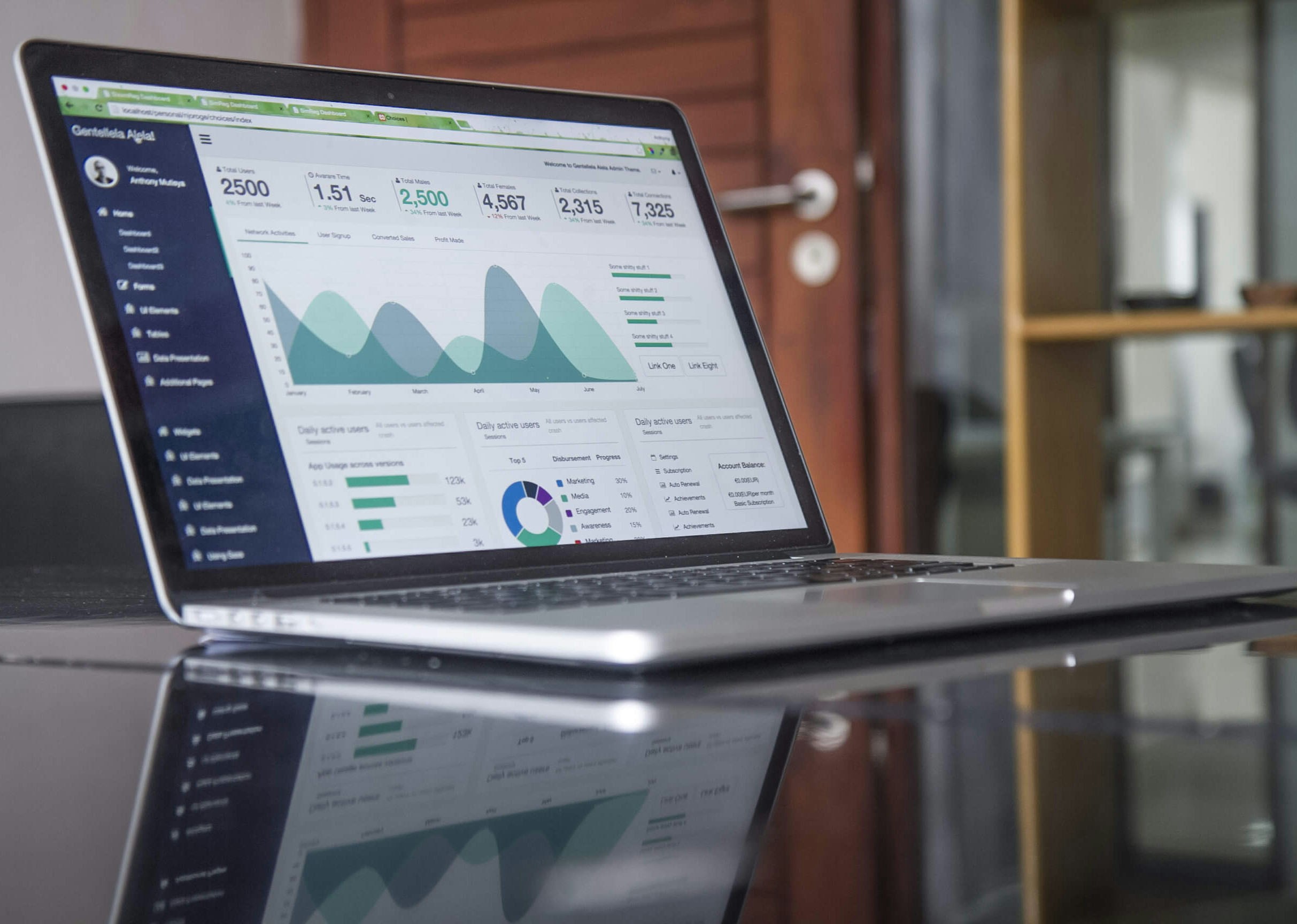
What Is ROI in Digital Marketing and Why It Matters
At its core, roi in digital marketing measures the profitability of your marketing investments.
The formula is simple:
ROI = (Revenue – Marketing Cost) ÷ Marketing Cost × 100
But real-world tracking is more complex. A serious roi digital marketing company doesn’t just track clicks — it tracks conversions, customer acquisition cost, and lifetime value.
Why Businesses Must Expand ROI in Digital Marketing
To expand ROI in digital marketing, businesses must:
Align digital marketing campaigns with revenue growth goals
Track website conversions and marketing attribution accurately
Optimize low-performing digital marketing channels regularly.
Analyze multi-channel marketing attribution models for ROI
Without structured tracking, growth becomes guesswork.
6 Digital Marketing Metrics That Drive ROI In 2026
Understanding 6 Digital Marketing Metrics That Drive ROI in 2026 helps businesses focus on impact rather than vanity metrics.
Revenue Per Channel
Track how much revenue SEO, PPC, email marketing, and social media generate individually. This helps compare marketing channel performance and improve ROI in digital marketing.
Customer Acquisition Cost (CAC)
Measure customer acquisition cost in digital marketing campaigns to understand whether marketing spend is profitable or reducing overall ROI.
Conversion Rate
Monitor website conversion rate optimization to increase sales from existing traffic and improve ROI in digital marketing campaigns.
Customer Lifetime Value (CLV)
Calculate customer lifetime value to understand long-term profitability. A strong ROI digital marketing agency focuses on lifetime customer value, not just first purchase revenue.
Cost Per Lead
Track cost per lead in digital marketing campaigns to evaluate lead generation efficiency and improve ROI for service-based businesses.
Return on Ad Spend (ROAS)
Calculate return on ad spend to understand how much revenue each advertising dollar generates and accurately measure ROI of paid marketing campaigns.
ROI of SEO vs PPC: Which Performs Better?
One of the most common business questions is about the ROI of SEO vs PPC.
SEO:
Long-term organic traffic growth through SEO ranking strategies
Compounding website traffic from SEO content marketing
Sustainable search visibility without ongoing advertising spend
PPC:
Instant paid traffic from PPC search advertising campaigns
Advertising performance is controlled by the PPC campaign budget
Faster marketing experiments through PPC ad testing
Analyzing the ROI of SEO vs PPC helps determine where to allocate budget based on business stage.
How to Measure the ROI of Paid Advertising
When evaluating to measure the ROI of Paid Advertising, track:
Total advertising spend across PPC and paid social campaigns
Conversion tracking from landing pages and marketing funnels
Revenue attribution across multiple marketing channels
Cost per acquisition for paid advertising campaigns
Return on ad spend (ROAS) to evaluate advertising profitability
Without proper tracking tools, it’s impossible to accurately measure ROI in digital marketing from paid campaigns.
Tools That Help Improve ROI in Digital Marketing
To truly improve ROI in digital marketing, businesses must leverage the right analytics tools.
Essential Tracking Platforms
Google Analytics for website traffic and conversion analysis
Google Ads conversion tracking for PPC campaign performance
CRM integration for customer journey and revenue tracking
Call tracking software for phone lead attribution.
Heatmap tools for user behavior and landing page optimization
A professional ROI digital marketing company integrates these tools to provide transparent reporting.
Partnewith ananh a ROI Digital Marketing Agency
Working with a performance-focused ROI digital marketing agency ensures:
Clear marketing KPIs aligned with business revenue goals
Transparent digital marketing reporting and performance dashboards
Monthly marketing performance reviews and campaign analysis
Continuous optimization strategies to increase marketing ROI
A strategic ROI digital marketing agency focuses on revenue growth — not just traffic numbers.
Frequently Asked Questions
1. What is ROI in digital marketing?
ROI in digital marketing measures the profitability of your campaigns by comparing revenue generated against marketing costs.
2. How do I improve ROI in digital marketing?
To improve ROI in digital marketing, optimize conversion rates, refine targeting, reduce wasted ad spend, and track the right performance metrics.
3. How to Measure the ROI of Paid Advertising?
When calculating how to measure the ROI of Paid Advertising, use revenue attribution, ROAS, cost per acquisition, and conversion tracking to determine profitability.
Turning Marketing Into Measurable Growth
In 2026, marketing without measurement is a liability. Understanding roi in digital marketing, analyzing the ROI of SEO vs PPC, and tracking the 6 Digital Marketing Metrics That Drive ROI in 2026ensures your strategy is built on performance.
Whether you aim to expand roi in digital marketing, partner with a trusted roi digital marketing company, or refine paid campaigns by mastering How to Measure the ROI of Paid Advertising, the goal remains the same — sustainable profitability.
Growth is not about spending more. It’s about optimizing smarter.